How to Win Football Derby Matches: Complete Tactical Guide
Sport I Play Team
Published
Quick Verdict
Jump to breakdown ↓Football derbies are rarely won by slow, risky build-up inside your own defensive third during the opening 15 minutes. Teams that consistently win rivalry clashes play with cool heads and fierce duels: turning the opponent around early, dominating second balls in central midfield, avoiding reckless yellow cards, and striking on fast transitions.
Jump to Section (6)Expand
- 1. Why Normal League Tactics Break Down in Derby Matches
- 2. Derby Match Game Plan vs. Standard League Match: Tactical Comparison
- 3. The First 15-Minute Rule: How to Survive the Opening Storm
- 4. Winning the Second-Ball Battle in Central Midfield
- 5. Emotional Discipline: Playing on the Edge Without Seeing Red
- Frequently Asked Questions
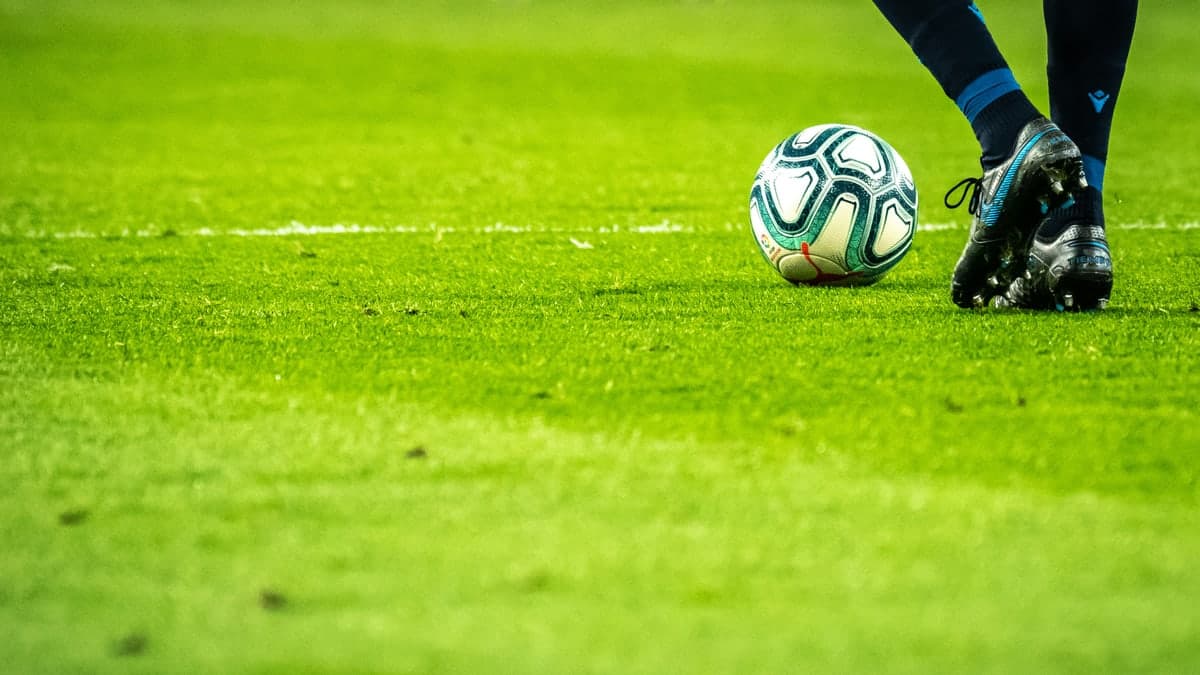
There is an old dressing-room saying that holds true from Kolkata and Goa to Manchester and Madrid: form tables go out the window on derby day. Whether it is 60,000 fans shaking the stands at Salt Lake Stadium after the ISL 2026–27 Phase 2 schedule confirmed the February 28 Kolkata Derby and February 21 Goan Derby, or a fierce cross-town final in your weekend amateur league, rivalry matches operate under completely different physical and psychological laws.
In a normal league game, you get two or three seconds on the ball in midfield to pick out a pass. In a derby, that time window shrinks to under one second — and every 50/50 challenge carries the weight of bragging rights.
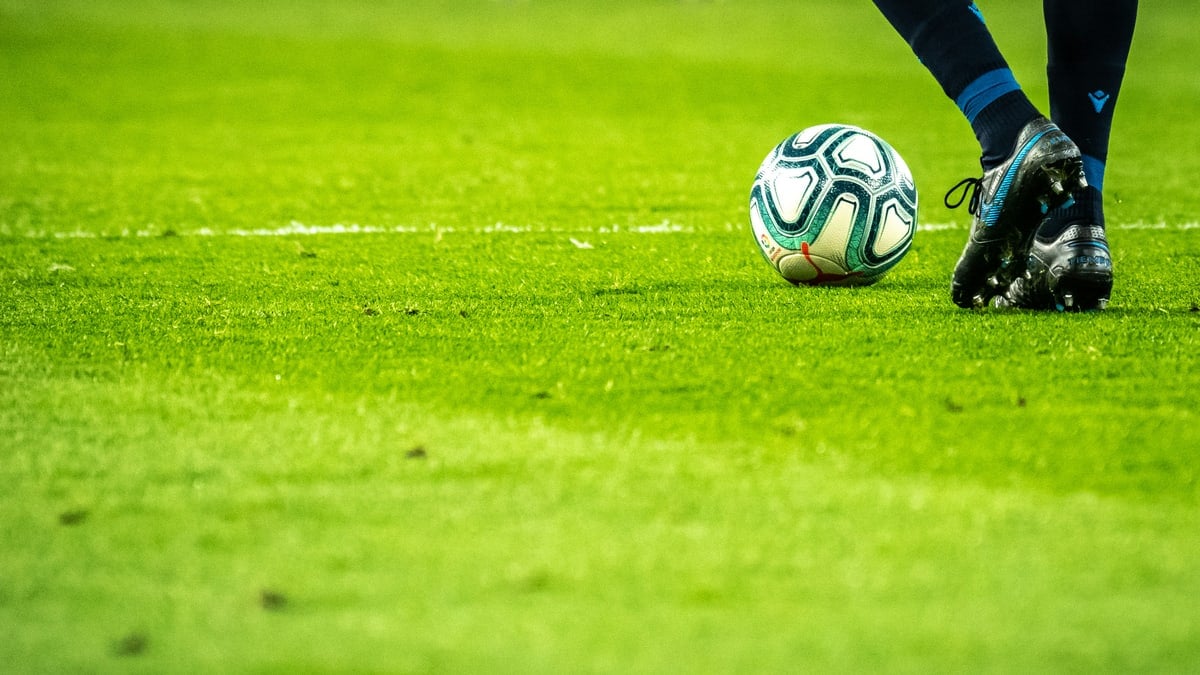
Whether you captain an 11-a-side club team, compete in high-stakes 7-a-side turf knockouts, or want to decode how elite managers prepare for rivalry showdowns, here is the complete tactical and mental guide to winning football derby matches.
1. Why Normal League Tactics Break Down in Derby Matches
Why do top-of-the-table possession teams so often drop points against struggling local rivals? Because adrenaline alters decision-making and pressing intensity on both sides of the pitch:
- The opposition presses 15% harder in the opening 20 minutes: Underdogs in a derby feed off crowd energy to jump every short pass from a goal kick. Teams that stubbornly play slow, sideways passes across their own 18-yard box inevitably invite a catastrophic turnover.
- First touches get heavier under emotional arousal: When heart rates sit at 175+ BPM before the first whistle has even blown, fine motor control tightens up. Cute flicks and risky central nutmegs that work on a quiet Tuesday night turn into instant counter-attacks against you on derby day.
- Set pieces and transitions decide over 65% of derby goals: Because neither midfield gives the other room to breathe, open-play combinations through the middle are rare. The team that dominates dead balls, throw-ins, and 5-second transitions almost always takes the three points.
2. Derby Match Game Plan vs. Standard League Match: Tactical Comparison
Smart coaches do not abandon their identity for a derby, but they adjust their risk profile by zone and clock phase. Here is how a winning derby blueprint differs from a routine league fixture:
| Tactical Phase | Standard League Fixture | High-Stakes Derby Match Blueprint |
|---|---|---|
| Opening 15 Minutes Build-Up | Patient short build-up through the #6 and centre-backs | Play into the opponent's half early; turn their backline toward their own goal |
| Central Midfield Spacing | Spread wide to create passing triangles | Tight 8-to-12-yard triangle around the aerial duel to sweep up second balls |
| Full-Back Overlapping | Both full-backs push high simultaneously | Asymmetric rest-defence (one full-back tucks in as a 3rd defender to stop counters) |
| Tackling & Duel Selection | Standard positional jockeying | Win the first clean shoulder/ball challenge early to set the physical tone |
| Discipline Management | Normal refereeing threshold | Strict ban on retaliation fouls, dissent, and blindside sliding tackles |
3. The First 15-Minute Rule: How to Survive the Opening Storm
Every great derby manager — from José Mourinho and Diego Simeone to ISL title-winning tacticians — preaches the First 15-Minute Rule. The opening quarter-hour of a derby is played like a pinball machine: tackles fly in, the crowd roars at every corner, and both teams run on pure emotion.
Here is how to own the first 15 minutes:
- Play football in their half, not yours: On your first three goal kicks or defensive regains, bypass the opposition's furious front press by clipping angled balls into the channels for your wingers or striker to contest. Make their defenders control a bouncing ball with their backs to play.
- Win your very first 1v1 duel cleanly: Whether you are a winger taking on your full-back or a centre-back contesting an early header, winning your first individual battle plants immediate self-doubt in your direct opponent.
- Take the sting out of away hostile starts: If you are playing away from home and the hosts start at a sprint, use throw-ins, goal kicks, and foul restarts to slow the rhythm down for 15 seconds and force their pressing lines to reset.
4. Winning the Second-Ball Battle in Central Midfield
Watch any classic Kolkata Derby between Mohun Bagan and East Bengal or any North-West Derby at Anfield, and you will notice that the first ball (the initial header from a clearance or goal kick) rarely decides the phase. The match is won on the second ball — where the knockdown lands 10 yards away.
To dominate second balls in a derby:
- Never let two teammates jump for the same header: Communicate early ("Mine!"). One player challenges in the air while the surrounding two midfielders stay on their feet, balanced on their toes, scanning the drop zone.
- Surround the duel in a 10-yard diamond: Your #10 drops in front of the aerial duel, your #6 screens directly behind it, and your ball-side winger tucks narrow to pounce on any loose bounce off a shoulder or shin.
- Play forward on the first pass after winning a second ball: The exact second you scoop up a loose second ball in midfield, the opposition's defensive line is jagged and disorganized. Look immediately for a vertical pass into your striker or a diagonal switch to your far-side winger before their back four can realign.
5. Emotional Discipline: Playing on the Edge Without Seeing Red
The famous derby mantra is "Fire in the belly, ice in the head." You need the physical intensity to sprint back 50 yards and win a shoulder-to-shoulder duel, but you need icy composure the moment the whistle blows or an opponent tries to wind you up.
- Avoid the "hero" 3rd-minute sliding tackle: Players pumped up on derby adrenaline love to fly into a reckless sliding tackle in the opening five minutes to excite the crowd. Collecting a yellow card in the 4th minute means you have to play the remaining 86 minutes on a tightrope, unable to make a tactical foul when it actually matters.
- Assign one designated peacemaker on the pitch: When a flashpoint or shoving match breaks out near the touchline, only the captain speaks to the referee while a senior leader immediately pulls your hot-headed players away by the shirt.
- Punish on the scoreboard, never with a kick out: If an opponent clips your ankles late, the ultimate derby revenge is pointing to the space in behind on the next attack and celebrating in front of the corner flag — not kicking out off the ball and leaving your teammates with 10 men for an hour.
Looking to build a derby-ready squad with high-composure leaders and relentless box-to-box engines in Career Mode? Scout the top young talents in our FC 27 Wonderkids Hub, or put these derby tactics into practice on a real pitch this weekend by joining a match on Sport I Play Games and connecting with local rivals in Football Communities.
Frequently Asked Questions
Why is the first 15 minutes so important in a football derby?
During the opening 15 minutes of a derby, emotional adrenaline and crowd noise drive teams to press at maximum speed. Teams that try to play high-risk short passes inside their own defensive third during this opening storm frequently concede cheap turnovers or early set-piece goals.
What does "winning the second ball" mean in football?
When a long pass, goal kick, or clearance is contested in the air by two players (the first ball), the ball usually ricochets off a head or shoulder into a 10-to-15-yard radius around them. "Winning the second ball" means positioning your midfielders in a compact triangle around that duel to collect the loose knockdown first and launch an attack.
How do you keep your team calm in a heated rivalry match?
Coaches establish three non-negotiable rules before kickoff: only the captain addresses the referee, zero off-the-ball retaliation after late tackles, and an immediate 10-second breathing reset at every dead ball (throw-ins, free kicks, and goal kicks) to bring heart rates down and restore tactical shape.
Share This Guide
Play football near you
Join a local football community, find players at your level, and get on the court this week.
Sport I Play Team
The Sport I Play editorial team — passionate sports enthusiasts covering technique tips, fitness guides, and sports stories.
Keep Reading in Football
All Football
How to Defend a 1-0 Lead in Football: Complete Tactical Guide
3-4-2-1 vs 4-3-3 Football Formations: Complete Tactical Guide
Worst Referee Decisions in Football (5 Disgraceful Matches)
High-Pressing & Gegenpressing Guide: Football Tactics
How to Win Two-Legged Knockout Ties: Tactical Guide
How to Break Down Low-Block Defenses in Football: Guide