High-Pressing & Gegenpressing Guide: Football Tactics
Sport I Play Team
Published
Quick Verdict
Jump to breakdown ↓Effective high-pressing is never about eleven players chasing the ball blindly; it is a coordinated spatial trap triggered by backward passes, heavy touches, or touchline passes. When your striker curves their run to split the centre-backs and your defensive line pushes up to the halfway line, you turn turnovers into instant goalscoring chances.
Jump to Section (6)Expand
- 1. High-Pressing vs. Gegenpressing: What Is the Difference?
- 2. High Press vs. Mid-Block vs. Gegenpress: Tactical Comparison
- 3. How Pochettino's 4-2-3-1 High-Pressing Trap Works
- 4. The 4 Universal Pressing Triggers Every Team Should Drill
- 5. How to Stop Getting Beaten by Long Balls Over the Top
- Frequently Asked Questions
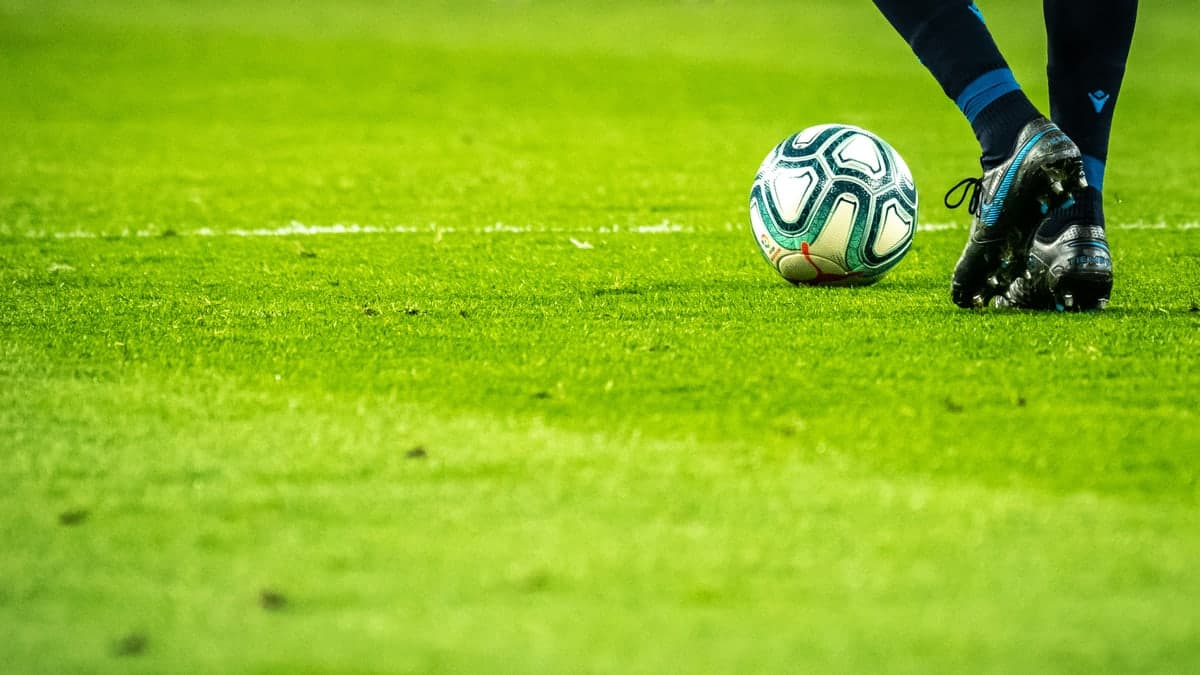
Whenever a top club appoints a front-foot manager, the first buzzword on every broadcast is high-pressing. With Mauricio Pochettino officially taking charge at Manchester United ahead of a massive Premier League debut against Liverpool at Anfield, the Premier League's fiercest rivalry is once again set to be decided by which side can win the ball back inside the opposition's final third.
Yet anyone who has played 11-a-side or 7-a-side turf football knows how quickly an uncoordinated press falls apart. If your front three sprint at the opposing defenders while your midfield and backline stay rooted 40 yards deeper, two simple passes will leave you chasing shadows.
Whether you coach a weekend club team, captain a 7-a-side turf squad, or build custom tactical presets in Career Mode, here is the complete guide to coaching and executing a high press and Gegenpress without leaving your defence exposed.
1. High-Pressing vs. Gegenpressing: What Is the Difference?
Fans often use high-pressing and Gegenpressing (counter-pressing) interchangeably, but in coaching methodology they occur in two completely different phases of play:
- High-Pressing (Out-of-Possession Phase): This is an organized defensive structure used when the opponent already has settled control of the ball in their own defensive third (such as a goal kick or centre-back circulation). Your team pushes its defensive line up toward the halfway line and sets traps to win the ball near the opponent's penalty box.
- Gegenpressing / Counter-Pressing (Defensive Transition Phase): This happens in the first 5 to 6 seconds immediately after your team loses the ball in the attacking half. Instead of dropping back into a defensive shape, the 3 or 4 players closest to the ball swarm the new ball-carrier to win it back before the opponent can get their head up and launch a counter-attack.
As Jürgen Klopp and Mauricio Pochettino both famously noted, no playmaker in the world is as dangerous as a counter-press recovery 25 yards from the opponent's goal — because the opponent's defenders have just spread wide to build an attack and are completely out of defensive position.
2. High Press vs. Mid-Block vs. Gegenpress: Tactical Comparison
Understanding when to press high, when to counter-press, and when to drop into a compact mid-block is what separates elite sides from exhausted ones:
| Tactical Metric | Coordinated High Press (4-2-3-1 / 4-3-3) | 5-Second Gegenpress (Counter-Press) | Compact Mid-Block (4-4-2 / 5-4-1) |
|---|---|---|---|
| When It Happens | Opponent building from goal kicks or deep CBs | 0–5 seconds after your team loses the ball | Opponent has settled possession near halfway |
| Defensive Line Height | High (40–48 yards from own goal) | Very High (compressed around ball zone) | Medium (28–35 yards from own goal) |
| Primary Goal | Force a turnover in the final third or a panicked clearance | Regain ball before opponent can play forward | Deny central passing lanes into the #10s |
| Physical Demand | High (requires coordinated sprint bursts) | Extreme (short 5-second max-intensity sprints) | Moderate (lateral shifting and discipline) |
| Main Vulnerability | Direct switches of play or balls in behind slow CBs | If beaten by the first pass, huge space opens up | Can become too passive and invite pressure |
3. How Pochettino's 4-2-3-1 High-Pressing Trap Works
In Pochettino's signature 4-2-3-1 system, the high press does not try to cover every blade of grass. Instead, it uses cover shadows (blocking a passing lane with your body angle while sprinting at the ball-carrier) to funnel the opponent toward one sideline:
- The Striker Splits the Centre-Backs (The Arc Run): When the left-sided opposition centre-back has the ball, the #9 does not run straight at him. He curves his run in an arc between the two centre-backs, cutting off the lateral pass back to the right centre-back.
- The #10 Locks Onto the Single Pivot: The attacking midfielder shadows the opposition's deepest defensive midfielder (#6), ensuring the centre-back cannot bounce a simple pass through the middle of the pitch.
- The Ball-Side Winger Jumps the Full-Back: Forced to pass wide to his full-back, the centre-back walks right into the trap. The winger sprints at the full-back while the ball is travelling, the ball-side #8 steps up to block the down-the-line pass, and the far-side winger tucks narrow into midfield to form a compact trap.
4. The 4 Universal Pressing Triggers Every Team Should Drill
If your team tries to press for all 90 minutes, your players' legs will be gone by the 60th minute. Smart teams conserve energy in a compact shape until they spot one of these four universal pressing triggers:
- A Backward Pass Where the Receiver Faces Their Own Goal: When a midfielder passes backward to a defender or goalkeeper, the receiver can only see their own goal. Sprint up while the ball is moving — your defensive line must move up the exact same number of yards the ball travels backward.
- A Slow or Floated Pass to the Touchline: The sideline is the best defender on the pitch because it removes 180 degrees of passing options. The moment a pass floats toward a full-back near the touchline, lock on and trap them against the line.
- A Heavy First Touch or Bouncing Ball: When an opponent looks down at their feet to control a bouncing ball or heavy touch, their peripheral vision disappears for 1.5 seconds. That is the green light to jump.
- The Goalkeeper Receiving on Their Weak Foot: Most goalkeepers have a dominant kicking side. Have your striker angle their press from the keeper's strong side, forcing a rushed clearance off their weaker foot that your midfield pivots can easily win in the air.
5. How to Stop Getting Beaten by Long Balls Over the Top
Why do Sunday League and amateur teams get torn apart when they try to high-press? Almost always because of disconnected vertical compactness.
If your forwards press the opponent's penalty box while your centre-backs stand on the edge of your own 18-yard box out of fear of pace, the pitch becomes 70 yards long — leaving an ocean of grass for the opponent's midfielders to receive and turn.
- Keep 25 to 30 yards maximum between your striker and centre-backs: When the front line jumps, the centre-backs and goalkeeper must push up simultaneously.
- Drop 3 yards when there is "open ball" (no pressure on the passer): If nobody is within two yards of the opponent on the ball and their head is up looking long, your back four must immediately pivot their hips sideways and drop off three yards before the long pass is struck.
- Use a proactive sweeper-keeper: Your goalkeeper must stand outside their penalty area when the team presses in the final third, ready to sweep up any overhit long balls in behind.
Want to recruit high-stamina, press-resistant midfielders and rapid recovery centre-backs for your next Career Mode rebuild? Explore our FC 27 Wonderkids Hub to scout the best young talents, or test your team's pressing chemistry on a real turf pitch by joining a game on Sport I Play Games and Football Communities.
Frequently Asked Questions
What is the 5-second rule in Gegenpressing?
Coined by modern German and Argentine pressing schools, the 5-second rule states that when a team loses possession in the attacking half, the nearest players must counter-press at maximum intensity for 5 seconds. If they do not win the ball back or force a stop within 5 seconds, the entire team immediately aborts the press and drops back into a compact defensive block.
What is a cover shadow in football tactics?
A cover shadow is the invisible cone behind a defending player that blocks a passing lane to an opponent behind them. By curving their pressing run, one striker can simultaneously pressure the defender on the ball while keeping the second centre-back or holding midfielder inside their cover shadow.
How do you apply high-pressing in 5-a-side or 7-a-side turf football?
In 7-a-side (often played in a 2-3-1 or 3-2-1 shape), use a diamond press: the lone striker forces the ball-carrier toward one touchline, the ball-side winger jumps the wide option, the central midfielder screens the middle pivot pass, and the far-side winger tucks inside to intercept any risky switch across the box.
Share This Guide
Play football near you
Join a local football community, find players at your level, and get on the court this week.
Sport I Play Team
The Sport I Play editorial team — passionate sports enthusiasts covering technique tips, fitness guides, and sports stories.
Keep Reading in Football
All Football
Beginner To Football? Here Are Some Tactics

Football: Here Are The Ideal Offensive Tactics

Modern Day Football Tactics Revolutionizing the Game
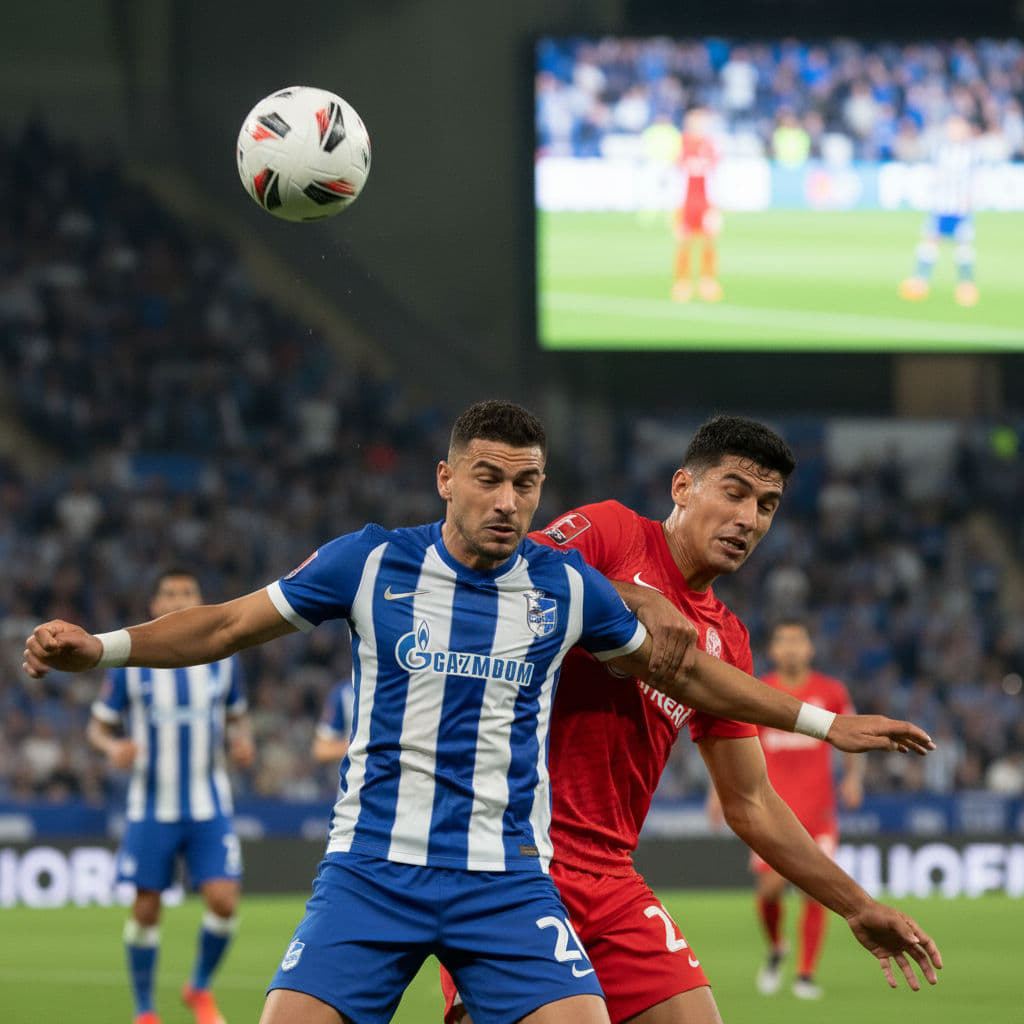
Man-Marking in Football: Tactics, Importance, & How to Excel
How to Defend a 1-0 Lead in Football: Complete Tactical Guide
How to Win Football Derby Matches: Complete Tactical Guide