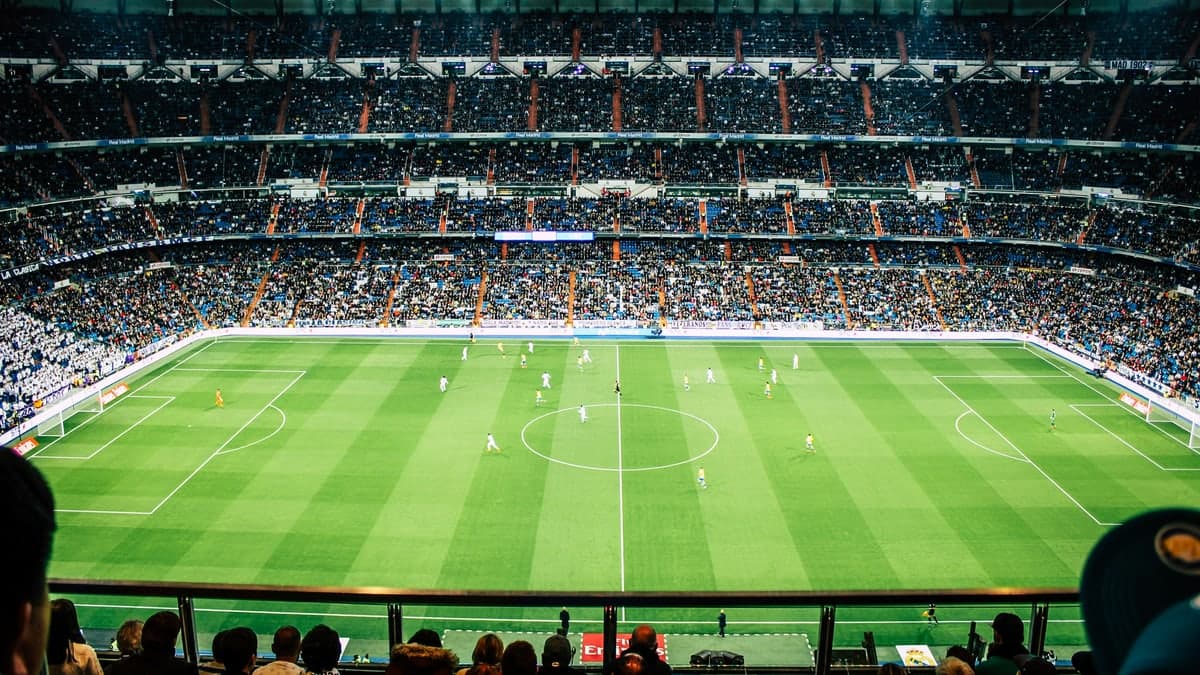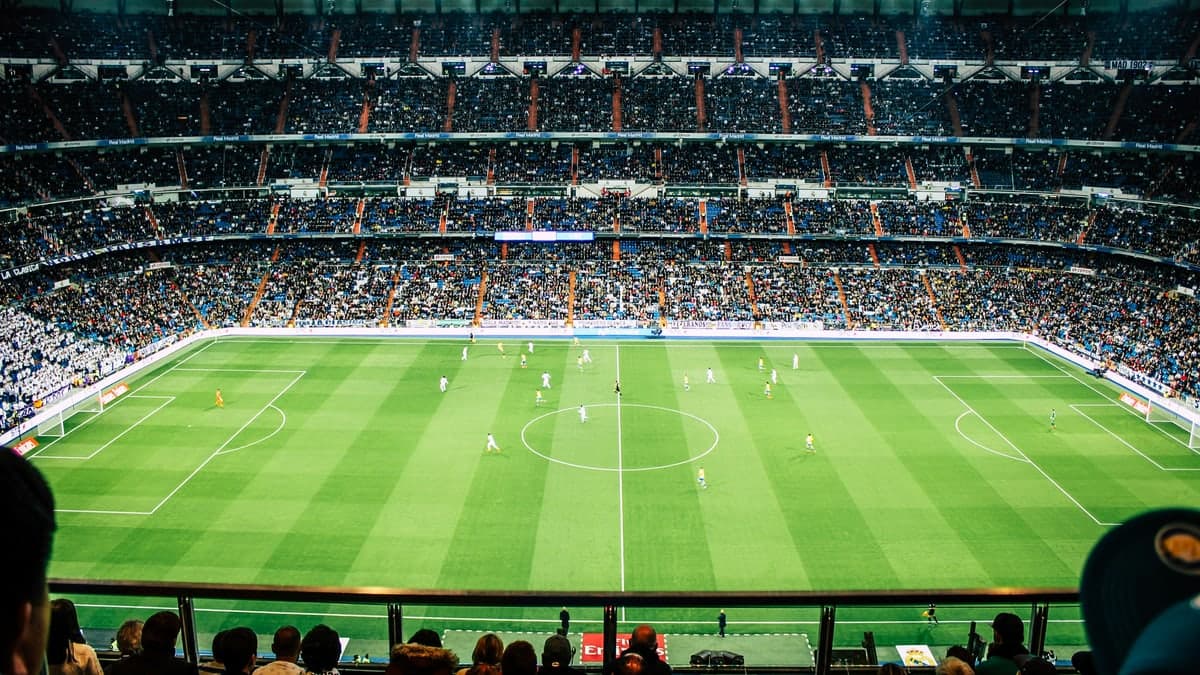
The tactical pendulum swings back to width and verticality
For three seasons, every coaching manual in Europe copied the same blueprint: tuck an inverted full-back into central midfield to form a 3-2 build-up, hold 68% possession, and pass patiently around a low block.
This season across the Premier League and Champions League, that orthodoxy has cracked. From Liverpool's calculated vertical transitions and Real Madrid's direct counter-punching to Arsenal's physical compression, elite football has pivoted back toward overlapping full-backs, rapid five-second transitions, and dead-ball dominance.
Why the permanently inverted full-back is fading
When every top side began inverting a full-back into the double pivot, opposition managers solved the puzzle by packing the central zone with a narrow 5-4-1 or 4-4-2 mid-block and daring the centre-backs to pass wide.
Without a natural overlapping runner going around the outside of the winger, wide attackers were forced to receive the ball standing still against two defenders. Bringing back flying full-backs who overlap and underlap at high speed drags the opposition's wide midfielder and full-back apart, reopening the half-space for the number 8s and number 10s.
The set-piece arms race — and VAR's six-yard clampdown
No tactical phase has grown faster than corner kicks and wide free kicks. Inspired by Arsenal's record non-penalty set-piece haul, nearly every top-flight club now employs a dedicated set-piece analyst scripting NBA-style pick-and-screen routines inside the six-yard box.
- Inswinging deliveries under the crossbar: Corners are whipped with high pace directly into the goalkeeper's corridor rather than floated to the penalty spot.
- Back-post "trains": Three or four attackers stack at the far post and release in staggered waves as the taker begins their run-up.
- Referees pushing back: With IFAB and competition referees tightening enforcement on pre-delivery grappling and deliberate goalkeeper blocks, attackers are switching from static holding to moving decoy screens that cross the keeper's line of sight without using their arms.
Want to bring these routines to your own 11-a-side, 7-a-side, or EA FC 27 squad? Read our complete guide to scoring more goals from corners, or check the FC 27 Wonderkid Hub to scout the best young full-backs and aerial centre-backs.
Frequently Asked Questions
Why are teams moving away from inverted full-backs?
Opponents learned to crowd the central midfield zones with compact five-man blocks. Overlapping full-backs stretch those defensive lines horizontally and prevent double-teams on star wingers.
Why are inswinging corners more popular than outswingers now?
An inswinging corner curves toward the goal line inside the six-yard box, forcing the goalkeeper to make a split-second decision in traffic and turning the slightest glancing touch into a goal.
Are goalkeeper blocks on corners illegal in football?
Standing your ground in front of the goalkeeper before the kick is taken is legal, but holding, pushing, or actively stepping into the keeper to impede their jump after the ball is in play is penalised as an attacking foul.
Explore Topics
What's your biggest takeaway from this story?
Play football near you
Join a local football community, find players at your level, and get on the court this week.
Continue Reading
All News
Premier League Title Race Twist: Madueke Rescues Arsenal in 2-2 Newcastle Thriller as Man City Held 1-1 by Fulham
ISL 2026-27 Phase 2 Schedule Released: February 28 Kolkata Derby, Goan Derby & May 8 Final Dates Confirmed