Strength Training for Beginners in India 2026: The Ultimate Guide
SIPSport I Play Team
May 2, 20268 min readContents
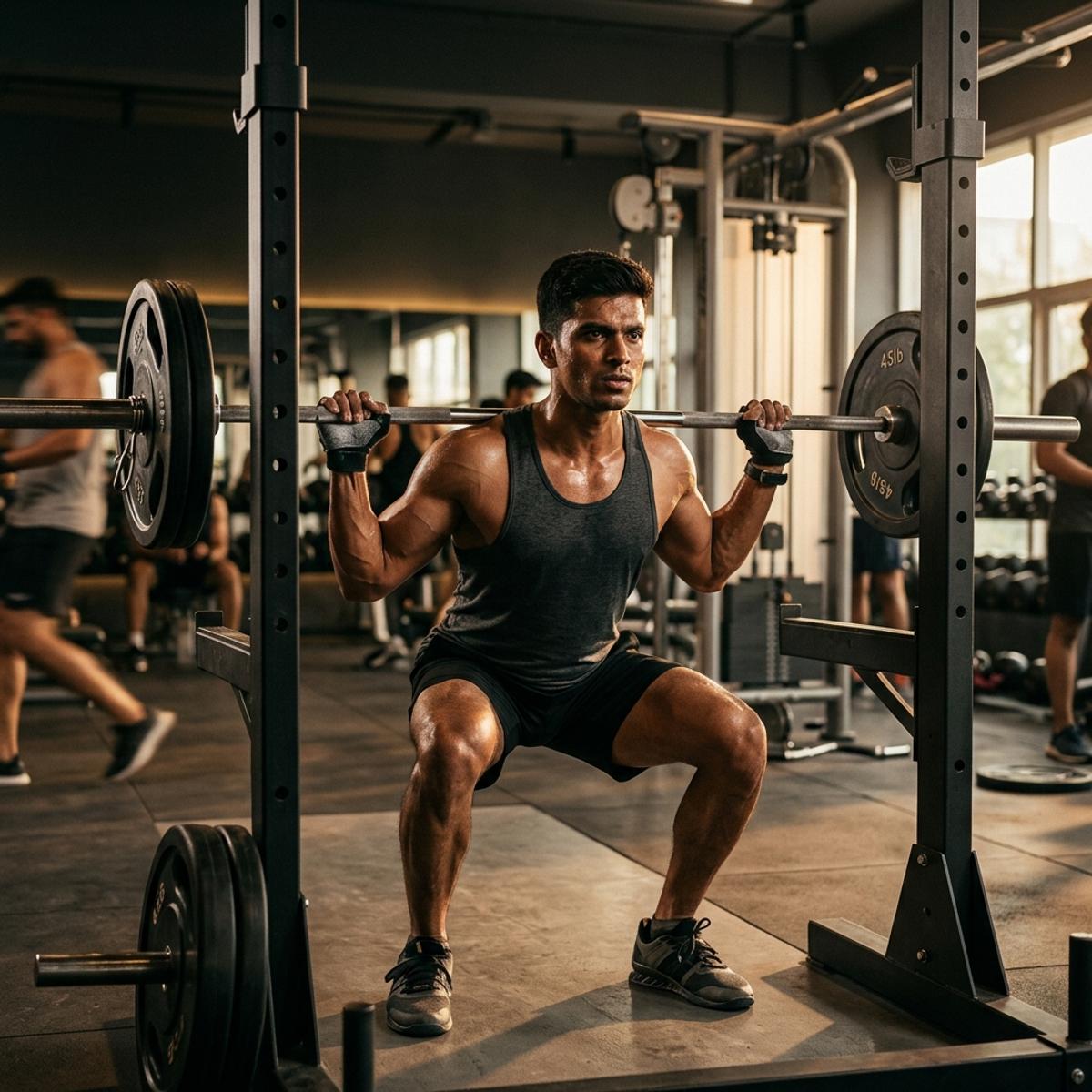
Strength Training for Beginners in India 2026: The Ultimate Guide
Strength training is no longer just for bodybuilders. In 2026, more Indians than ever are picking up dumbbells, kettlebells, and resistance bands to build healthier, more resilient bodies. Whether your goal is to lose fat, build muscle, improve your posture, or perform better in sports, strength training is the foundation.
If you’ve never touched a weight before, stepping into a gym or planning a home workout can feel intimidating. This comprehensive guide is designed specifically for beginners in India, breaking down exactly how to start, what to eat, and how to stay consistent.
Why Start Strength Training?
Cardio is great for heart health, but strength training transforms your body in ways that running or cycling simply can't.
- Boosts Metabolism: Muscle tissue burns more calories at rest than fat tissue. Building muscle increases your basal metabolic rate (BMR), making it easier to manage your weight.
- Bone Density: Lifting weights stresses your bones, which stimulates them to grow denser and stronger, preventing osteoporosis later in life.
- Injury Prevention: Strong muscles support your joints, reducing the risk of injuries in daily life and during other sports like badminton or football.
- Mental Health: Strength training releases endorphins and has been shown to reduce symptoms of anxiety and depression, boosting your confidence with every session.
Getting Started: Gym vs Home Workouts
You don't need an expensive gym membership to start building strength.
Home Workouts
If you are just starting, bodyweight exercises are perfect. You can master the form of push-ups, squats, and lunges in your living room.
What you need: A yoga mat and maybe a pair of light dumbbells or resistance bands.
Pros: Free, convenient, and less intimidating.
Gym Workouts
Once you outgrow bodyweight exercises, a gym offers the equipment needed for progressive overload (gradually increasing the weight to challenge your muscles).
What you need: Comfortable gym wear, non-marking shoes, and a water bottle.
Pros: Access to a wide variety of equipment and a motivating environment.
Essential Exercises for Beginners
Focus on compound movements. These are exercises that work multiple muscle groups at the same time, giving you the best return on your time investment.
- Squats: The king of lower body exercises. Works your quads, hamstrings, and glutes. Start with bodyweight, then progress to holding a dumbbell (Goblet Squat).
- Push-ups: Works the chest, shoulders, and triceps. If standard push-ups are too hard, start with knee push-ups or wall push-ups.
- Dumbbell Rows: Essential for back strength and posture. Pulling a weight towards your torso while bent over works the lats and biceps.
- Overhead Press: Pushing dumbbells over your head builds shoulder and tricep strength.
- Planks: A core stabiliser that is much more effective than traditional crunches. Aim for 30-second holds to start.
The Indian Diet for Muscle Growth
Your workouts are the stimulus; your diet is the fuel for growth. The traditional Indian diet is often heavy in carbohydrates and low in protein, which can slow down strength progress. Here is how to adjust it:
- Protein is Key: Aim for 1.4g to 2.0g of protein per kg of body weight.
- Vegetarian sources: Dal, paneer, Greek curd, soya chunks, whey protein, and tofu.
- Non-vegetarian sources: Eggs, chicken breast, and fish.
- Complex Carbohydrates: You need energy to lift weights. Opt for complex carbs like brown rice, oats, sweet potatoes, and whole wheat rotis instead of refined sugars.
- Healthy Fats: Don't skip fats. Ghee (in moderation), nuts, seeds, and avocados support hormone production, including testosterone, which is essential for muscle growth.
Common Mistakes to Avoid
- Lifting Too Heavy Too Soon: Ego lifting leads to poor form and injuries. Start light, master the technique, and gradually increase the weight.
- Skipping Rest Days: Muscles grow when you rest, not when you lift. Train 3-4 days a week and ensure you get 7-8 hours of sleep.
- Ignoring Warm-ups: Never jump straight into lifting. Spend 5-10 minutes on dynamic stretches (like arm circles and bodyweight squats) to prep your joints.
- Inconsistent Diet: You can't out-train a bad diet. Eating enough protein is just as important as showing up for your workout.
Sample Weekly Routine
This full-body routine is perfect for a beginner. Perform this 3 days a week (e.g., Monday, Wednesday, Friday), resting on the days in between.
- Squats: 3 sets of 10-12 reps
- Push-ups (or Knee Push-ups): 3 sets of 8-10 reps
- Dumbbell Rows: 3 sets of 10 reps per arm
- Dumbbell Overhead Press: 3 sets of 8-10 reps
- Plank: 3 sets of 30-second holds
Rest for 60 to 90 seconds between sets.
Frequently Asked Questions
Q: Will lifting weights make me bulky?
A: No, especially for women. Building "bulky" muscle takes years of intense, dedicated training and a massive calorie surplus. For most people, strength training creates a lean, toned physique.
Q: Do I need protein supplements?
A: Supplements are not mandatory. If you can meet your daily protein requirements through whole foods (like eggs, paneer, and chicken), you don't need whey protein. However, whey is a convenient and cost-effective way to boost your intake.
Q: How soon will I see results?
A: With consistent training (3 days a week) and a good diet, you will likely feel stronger within 2-3 weeks. Visible physical changes usually take 8-12 weeks.
Strength training is a lifelong journey, not a quick fix. Start light, stay consistent, and fuel your body right. The strength you build in the gym will translate into every other aspect of your life, making you a better athlete and a healthier individual.
Find your fitness community, book a class, and start your strength journey today on Sport I Play.
Share
Play fitness near you
Join a local fitness community, find players at your level, and get on the court this week.
SIP
Sport I Play Team
The Sport I Play editorial team — passionate sports enthusiasts covering technique tips, fitness guides, and sports stories.