Why 128 kph Medium Pacers Beat 145 kph Express Pace
Sport I Play Team
Published
Quick Verdict
Jump to breakdown ↓In modern white-ball cricket, raw speed without movement or deception helps the batter by supplying all the kinetic energy needed to clear the rope. A 128 kph bowler who wobbles the seam, changes pace off the surface, and hides the release point forces the batter to manufacture power — which is what creates mistimed catches.
Jump to Section (8)Expand
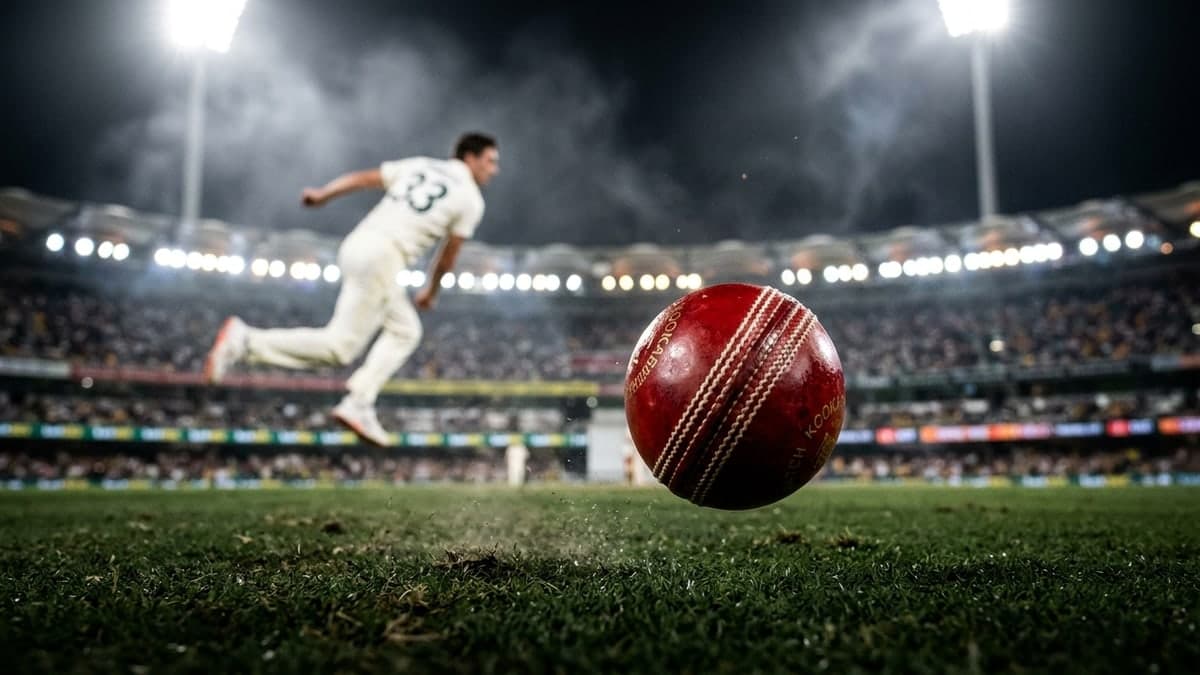
Watch any T20 league for a week and you will see the exact same script play out.
A young tearaway runs in off a 30-yard mark, hits 148 kph on the speed gun, gets the commentators out of their seats — and finishes with 0 for 54 off four overs. Ten minutes later, a 32-year-old medium pacer trundles in at 127 kph, bowls four variations into the pitch, and walks off with 3 for 22.
Fans immediately blame the fast bowler's captain, the field settings, or "bad luck" with top edges. In reality, it has almost nothing to do with luck. Modern white-ball cricket is built to punish predictable speed and reward late deception.
The Radar Gun Trap
The broadcast speed gun measures the ball the instant it leaves the bowler's hand, not when it reaches the batter.
By the time a cricket ball travels 20 yards through the air and bounces off a dry turf pitch, it loses anywhere from 12% to 22% of its initial velocity. A 145 kph half-volley that skids nicely onto the bat is far easier to hit than a 128 kph delivery that grips in the surface and arrives two tenths of a second later than the batter's hands expected.
Batters at club, domestic, and international level train against bowling machines cranked up to 145+ kph every single week. Straight speed does not surprise them. Timing disruption does.
1. Pace Supplies the Batter's Power
With modern thick-edged willow and 65-metre square boundaries, a batter does not need a full backlift against 145 kph.
- Against 145 kph: A simple check-drive, late cut, or deliberate upper-cut uses the bowler's own kinetic energy. Even a thick outside edge flies over third man for six.
- Against 125–130 kph (and 112 kph cutters): The ball brings far less energy to the collision. To clear long-on, the batter has to swing harder, commit earlier with the front foot, and generate bat speed from their own core and wrists.
The moment a batter has to swing harder, their head moves, their bat path comes across the line, and the toe of the bat comes into play.
2. The Wobble Seam Doesn't Need 145 kph
Swing happens in the air; seam happens off the pitch. And there is an aerodynamic catch with conventional swing: above roughly 138–140 kph, laminar airflow breaks down more easily unless the seam orientation and shine are immaculate.
At 126 to 133 kph, a bowler with a repeatable wrist position has two massive weapons:
- Late banana swing in the first three overs when the lacquer is fresh.
- The wobble seam, angled slightly off-centre so the ball lands on the edge of the stitching and darts either way by half a bat's width.
A batter can pre-meditate against 145 kph gun-barrel straight bowling. Nobody can pre-meditate when they do not know whether a 130 kph length ball is going to nip into the front pad or Kiss the outside edge.
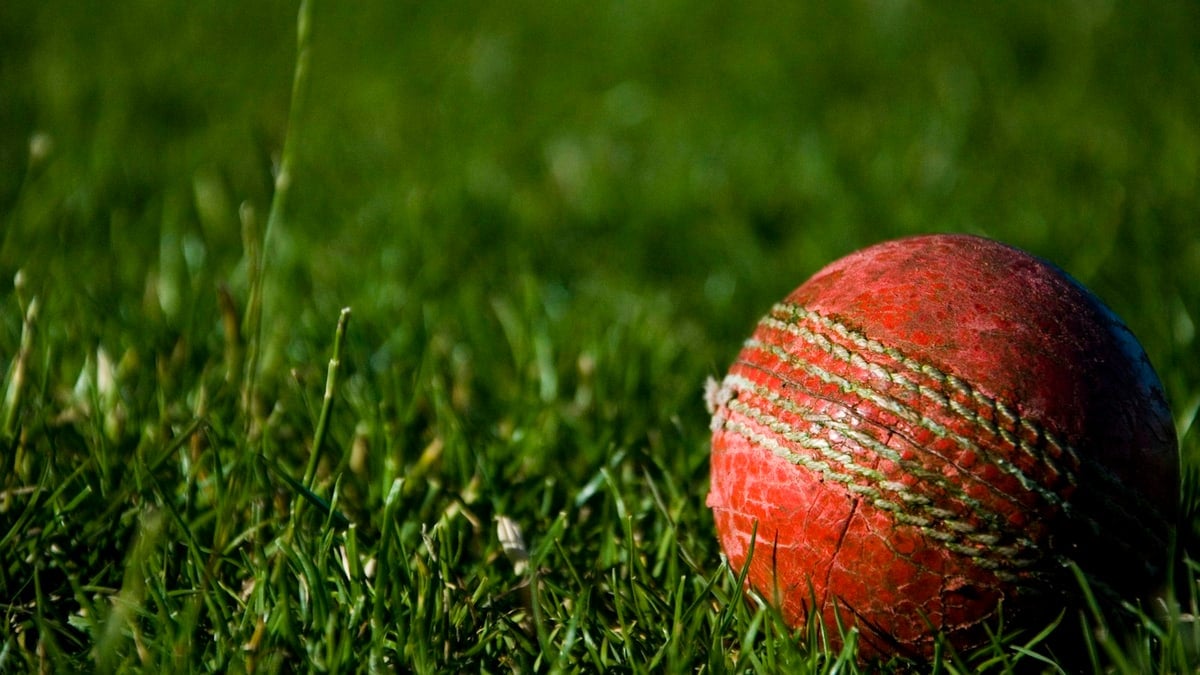
3. Express Pace Shrinks Your Own Margin
Running in at 100% physical effort changes biomechanics. When a bowler tries to squeeze out an extra 6 kph:
- The front knee often collapses slightly or the head falls away to the off side.
- The release point becomes inconsistent by a few millimetres — which over 22 yards turns a yorker into a waist-high full toss or a slot half-volley.
- Recovery between balls drops, especially in humid Indian evening conditions.
A bowler operating at 128–132 kph is bowling within 85% of their physical ceiling. Their head stays still, they watch the batter's feet until the very last split-second before release, and they can follow a batter backing away to leg stump without spraying a wide.
4. Radar Speed vs Perceived Speed
Ask any top-order batter and they will tell you: some 132 kph bowlers feel quicker than 142 kph bowlers.
Why? Because perceived pace is about rhythm and release height:
- Skiddy trajectory: A bowler releasing from a lower point or slightly closer to the stumps hits the deck at a flatter angle, losing less speed on bounce.
- Late arm speed: A gentle, unhurried run-up followed by a whippy shoulder rotation gives the batter's eyes fewer cues to lock onto during the gather.
- Bouncer-to-length contrast: A 132 kph bouncer aimed at the badge followed by a 114 kph leg-cutter looks like a 30 kph difference to the batter.
5. Why Cutters Grip Better Under 132 kph
Between overs 16 and 20, the ball is soft, scuffed, and rarely swinging. If you bowl a cross-seam slower ball that still lands at 134 kph, it skids straight through onto the bat.
When a medium pacer rolls their fingers over the seam at 110 to 118 kph, the revolutions on the ball actually have time to bite into a dry pitch. The ball stops in the surface, climbs slightly on the splice, and turns a flat six over midwicket into a dolly at long-on.
145 kph vs 128 kph: Head-to-Head
| Factor | 145+ kph Express Pacer | 128–132 kph Skill Bowler |
|---|---|---|
| Top edge / mishit result | Flies over third man or fine leg for 6 | Loops up inside the 30-yard circle or deep |
| Margin on yorker length | Miss by 4 inches = slot ball or full toss | Late dip from overspin gives a wider landing |
| Control when batter moves | Hard to adjust mid-delivery stride | Can abort to wide yorker or into-body cutter |
| Wicket-taking method | Beating for raw pace, rush on pull shot | Late movement, misjudged pace, mistimed loft |
| Physical sustainability | 2-over bursts; accuracy drops when tired | Can bowl 4 overs on the trot without drop-off |
Play weekend leather-ball or tennis-ball cricket? Find a match near you on our local cricket games board or join your city's cricket community to talk tactics and squad openings.
Frequently Asked Questions
Does that mean raw pace doesn't matter in cricket anymore?
Raw pace still matters massively — when paired with accuracy and seam movement. A bowler who can hit 145 kph and land six balls on a coin with a Dipping yorker (like Jasprit Bumrah) is virtually unplayable. The problem is that raw pace alone, without lateral movement or changeups, gets punished harder today than in any previous era.
Why do bowlers lose pace after bouncing?
Air drag slows the ball in flight by roughly 10–12%, and friction with the pitch absorbs another 5–12% depending on grass cover, moisture, and seam angle. Pitches with dry, abrasive clay slow the ball down much more than hard, grassy surfaces.
What is the hardest speed to face in club and weekend cricket?
For most club batters, a bowler around 120–130 kph who lands the ball on top of off stump and moves it late is far harder to survive than a wayward faster bowler who offers two boundary balls an over.
Share This Guide
Play cricket near you
Join a local cricket community, find players at your level, and get on the court this week.
Sport I Play Team
The Sport I Play editorial team — passionate sports enthusiasts covering technique tips, fitness guides, and sports stories.
Keep Reading in Cricket
All Cricket
WTC Points System Guide: Why Four Pacers Win Overseas
How to Beat Smash-Heavy Badminton Players: Complete Guide
8 Epic Games to Play After Exams to Beat Stress
4 Tennis Playing Styles: How to Beat Every Opponent

Football Tricky Moves: 3 Ways to Beat Any Defender [Pro Guide]

5 Simple Hacks To Beat Dehydration This Summer!