How to Bowl and Bat with Heavy Dew in Night Cricket Guide
Sport I Play Team
Published
Quick Verdict
Jump to breakdown ↓Evening dew transforms night cricket by coating the leather ball in moisture, reducing spin friction off the pitch and making Yorkers slip out as full tosses. Bowlers who switch to cross-seam hard lengths and flatter trajectories retain control, while batters can exploit the skidding surface by hitting straight through the line.
Jump to Section (6)Expand

Every cricketer who has played an autumn or winter floodlit match in the subcontinent knows the feeling. At 5:30 PM, the white leather ball is bone-dry, gripping the surface and zipping off the seam. By 8:00 PM, every boundary chase through the outfield returns a ball dripping with condensation — feeling less like stitched leather and more like a wet bar of soap.
With the ICC officially confirming that India will host the 2029 Champions Trophy and co-host the 2031 ODI World Cup in the October–November window, mastering the evening dew factor remains the single biggest tactical differentiator in day-night 50-over and T20 cricket.
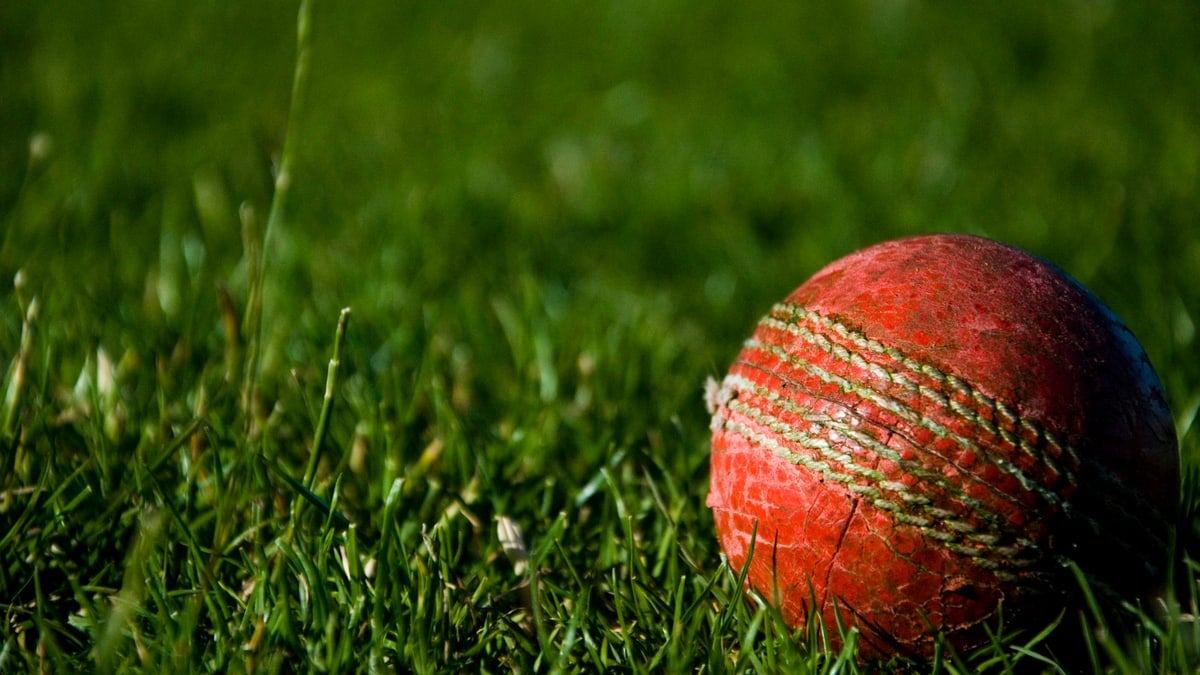
Whether you play floodlit corporate T20 leagues, weekend turf tournaments, or club 50-over matches, here is the complete technical guide to bowling and batting when heavy dew takes over the ground.
1. Why Dew Changes Night Cricket Physics
Dew forms when clear evening skies allow heat to radiate rapidly off the ground, cooling the grass blades below the atmospheric dew point. As water vapour condenses on the outfield and pitch grass, three mechanical changes happen simultaneously:
- Zero finger-to-seam friction: A wet lacquer coating prevents spinners and pacers from imparting full revolutions at the point of release. When fingers slip off the seam early, the ball floats out as a waist-high full toss or drags down short.
- Pitch lubrication (The Skid Effect): Normally, a dry clay pitch grabs the leather slightly on impact, slowing the ball down and allowing spin to bite. Moisture on the pitch acts as a lubricant — the ball skids through lower and faster straight onto the bat face.
- Heavier, softer leather: As moisture seeps into the stitched seam, the ball gains slight weight and loses its hard acoustic ping, killing conventional late swing in the air.
2. Dry Ball vs. Wet Dew Ball: Tactical Comparison
Adapting to evening dew requires abandoning first-innings plans before the wet ball costs you a 22-run over. Here is how execution shifts between dry afternoon conditions and a drenched evening outfield:
| Tactical Phase | Dry First-Innings Conditions | Heavy Dew Second-Innings Conditions |
|---|---|---|
| Primary Pace Grip | Upright seam or finger-roll slower cutter | Cross-seam (thumb and fingers on dry leather) or knuckle-grip |
| Death Overs Target | Pinpoint toe-crushing yorkers | Hard back-of-a-length (7–8m) into the pitch with wide protection |
| Spin Trajectory | Loopy, flighted above the batter's eye line | Flatter, stump-to-stump trajectory at 90–96 km/h |
| Pitch Reaction | Grips, stops slightly, and turns sharply | Skids straight on with consistent pace and low bounce |
| Batting Shot Value | High risk on cross-batted hits against grip | High reward on straight drives and lofted hits over long-off |
| Fielding Priority | Attacking slip and catching ring | Towel custodian at mid-on drying the ball before every delivery |
3. Fast Bowling Tactics with a Wet Ball
For fast bowlers, the number one killer in heavy dew is trying to bowl the booming yorker when the seam is slick. Because the ball requires late wrist snap to dip under the bat, a wet seam slips out of the index and middle fingers a fraction of a second early — turning an intended yorker into a juicy knee-high full toss.
1. Switch to the Cross-Seam Grip
The raised cotton stitching absorbs water much faster than the polished leather panels. By turning the ball 90 degrees into a cross-seam grip, your index and middle fingers press directly against the smoother, drier leather cheeks, which are far easier to wipe bone-dry with a towel.
2. Hit the Pitch Hard on a 7-Metre Length
Instead of pitching up in the slot, bang the ball into the middle of the pitch using variations in pace:
- Into-the-wicket slower bouncers: Even if your fingers slip slightly on a slower-ball cutter, pitching it 7.5 metres out gives you a massive margin for error compared to a missed yorker.
- Wide yorker over stump yorker: If you must bowl full at the death, aim 18 inches outside off stump with deep point and deep cover back on the rope.
4. How Spinners Survive the 'Bar of Soap'
Wrist-spinners and finger-spinners suffer most when dew settles. Because a wet ball will not grip the surface to turn sharply, tossing the ball up slowly invites batters to step down the track and launch sixes over mid-wicket.
Three Adjustments Every Night-Match Spinner Needs
- Bowl through the crease flatter and faster: Drop your arc height and push your speed up by 5–7 km/h, darting the ball into the batter's front pad and hip so they cannot free their arms.
- Use the crease width instead of relying on turn: Bowl from the very edge of the return crease (wide of the crease) to create sharp geometric angles that mimic natural drift.
- Wipe your bowling forearm and apply sawdust judiciously: Sweat running down your forearm onto your palm is just as damaging as outfield grass moisture. Dry your wrist on the umpire's towel before every ball, and tap a pinch of dry pitch dust onto your fingertips for grip without caking the ball.
5. Batting Blueprint: Chasing Under Floodlights
If your team wins the toss on a dewy October or November evening and bowls first, your batting unit holds a massive structural advantage in the chase — provided you protect wickets in the first six overs when the new ball still swings.
- Play late and let the ball skid onto the bat: Because the wet pitch eliminates the "two-paced" stopping sensation, you can trust the bounce and hit cleanly through the line of the ball.
- Target the bowler's grip after boundary hits: Whenever a ball races across the wet outfield grass to the rope, it comes back damp for the very next delivery. Expect the bowler to play it safe with a defensive back-of-a-length delivery rather than a risky yorker.
- Run hard to force wet-ball fumbles: Outfielders diving on wet grass struggle to pick up and release the ball cleanly in one motion. Pushing hard for the second run forces errant throws.
Ready to put these floodlit tactics to the test? Find and join an upcoming evening turf or leather-ball match on Sport I Play Games or connect with players in your city's Cricket Communities.
Frequently Asked Questions
Why does dew make batting easier in the second innings of a night match?
Moisture on the pitch reduces surface friction, causing the ball to skid smoothly onto the bat at a uniform pace instead of gripping, stopping, or turning sharply. At the same time, bowlers struggle to grip the wet seam to bowl yorkers or spin.
How do bowlers keep the ball dry during heavy dew?
Fielding teams designate a towel custodian at mid-off or mid-on to wipe the ball thoroughly before every single delivery, while bowlers use sawdust on their fingertips and switch to cross-seam grips where their fingers rest on the drier leather panels rather than the wet stitching.
What is the anti-dew spray used in international cricket stadiums?
Groundstaff in India and Bangladesh spray a biodegradable wetting agent (surfactant) on the outfield grass before evening matches. Instead of allowing water droplets to bead up on the tips of the grass blades where the ball rolls, the spray breaks surface tension so moisture slides down into the soil roots.
Share This Guide
Play cricket near you
Join a local cricket community, find players at your level, and get on the court this week.
Sport I Play Team
The Sport I Play editorial team — passionate sports enthusiasts covering technique tips, fitness guides, and sports stories.
Keep Reading in Cricket
All Cricket
How to Time a Cricket Declaration & Take 10 Wickets: Full Guide

How to Convert 50s into 100s in Cricket: Complete Guide

How to Open the Batting in Cricket: Leave & New-Ball Guide

How to Counter-Attack After a Batting Collapse in Cricket

How to Bowl on Green Seaming Pitches: Fast Bowling Guide

Why the Impact Player Rule Changed T20 Cricket: Guide