10 Cricket Rules Fans Still Get Wrong (+ 4-Question IQ Quiz)
Sport I Play Team
Published
Quick Verdict
Jump to breakdown ↓Most cricket debates are really rule debates. The difference between a 'robbery' and a legal dismissal is often one tiny law, and fans who understand it watch the game completely differently.
Jump to Section (10)Expand
- 1. Pad First Does Not Automatically Mean LBW
- 2. Fielder Touch Before Boundary Rope
- 3. Overthrows Counting Beyond the Original Run
- 4. Run-Out Without Playing a Shot
- 5. Front-Foot No-Ball Law
- 6. Relay and Bobbling Catches
- 7. Dead Ball Scenarios
- 8. Wide vs. No-Ball
- 9. Turning Back for Extra Runs
- 10. Leaving the Crease Safely

If you’ve ever screamed at the screen during a cricket match, you’re not alone.
Most fan arguments are not really about skill — they are about the rulebook. One tiny law, one odd bounce, one smart fielding move, and suddenly everyone is convinced the umpire “ruined the game.”
Here are 10 cricket laws that fans get wrong most often — and the ones that can completely flip a match in seconds.
Cricket Rules IQ Challenge
Can You Score 4/4 on the Rules Fans Argue About Most?
1. A batter hits the ball, runs 2, and a fielder's throw deflects off the bat for 4 overthrows. How many runs count?
1. A batsman is not out if the ball hits his pad first
This is one of the biggest arguments in cricket.
A batter can be given out LBW only if the ball would have hit the stumps and the impact is in line with the wicket. The fact that the ball struck the pad first does not automatically mean the batter is out.
Fans often think “pad first means out,” but it is not that simple. The law looks at line, length, and whether the ball would otherwise have hit the stumps.
2. A boundary can be scored even if the fielder touches the ball before it crosses the rope
A lot of fans think a boundary is only awarded when the ball crosses the rope untouched. That is not true.
If a fielder is in contact with the ball and then it goes over the rope, the boundary can still be awarded depending on the exact situation. The famous confusion around overthrows and fielding moments usually comes from this misunderstanding.
3. Overthrows can be more valuable than the original shot
A batter may run hard, the fielder throws to the wrong end, and the ball races away for extra runs. Fans often claim the batter should only get the original run count, but the rules allow additional runs from the overthrow.
This is why a quick single can turn into a big over.
4. A run-out can happen even if the batter is not playing a shot
A batter can be run out even without hitting the ball. The fielding side only needs to dislodge the bails before the batter completes the run or reaches the crease in time.
Many fans confuse this with “you must be batting or striking the ball to be run out,” which is not correct.
5. The no-ball call is not always obvious to viewers
A front-foot no-ball is called when the bowler lands the ball in front of the crease. A lot of fans think a bowler has to exceed the line by a huge margin for it to be a no-ball, but the issue is whether the front foot is grounded beyond the crease.
This is one of the most frustrating rules for viewers because it can look harmless in real time but change the whole over.
6. A batter can be out even if the ball is not caught cleanly
People think a catch must be immaculate to count. In reality, the law is more specific than that.
A batter can be out caught if the fielding side completes the catch legally, even if the ball is messy or the fielder has to adjust. The replay angle often makes it look more dramatic than it is.
7. The ball can be dead in several different scenarios
Fans often assume the ball is always live unless a wicket falls or a boundary is scored. That is not true.
The ball can be called dead for a range of reasons, including physical conditions, deliberate stoppages, or fielding interference. This matters because it affects whether runs are counted or not.
8. A wide is not the same as a no-ball
This is one of the easiest rules to confuse.
A wide is called when a ball is too far from the batter to be hit, even if the bowler’s foot is legal. A no-ball is a bowling fault, usually about the action or the crease. The two are related but not the same.
That is why many fans argue about a delivery that is “wide but not a no-ball” or vice versa.
9. A batter can still be run out when trying to get back in
Fans regularly assume that if the batter has already crossed and then turns back, the run is safe. Not always.
The fielding side can run the batter out if they break the stumps before the batter has safely completed the run or returned to the crease. The decision depends on timing, position, and fielding execution.
10. A batsman is allowed to leave the crease only in limited situations
A lot of fans think a batter can simply step out and walk back if they feel threatened. In reality, the batter must complete the run or reach safety in a legal manner before the fielding side gains control of the ball.
This is one reason some run-out debates become so intense. The officials are not just watching where the batter was — they are watching what happened in the moment and whether the fielders legally completed the dismissal.
Why these rules matter so much
Cricket is not the kind of sport where a single moment always looks obvious from the stands. That is part of its charm.
But it also means that many fans argue from emotion rather than law. Once you understand the rules, a lot of controversial decisions become more understandable — even if still frustrating.
That is why the best cricket fans are often not just the most passionate. They are the ones who understand the law and know exactly how the game is being judged.
Final thought
The game gets more interesting when you understand the rules behind the drama.
A no-ball, a run-out, a boundary, or a wide can completely change the complexion of a match. And often, the argument is not about whether the moment was exciting — it is about whether the law was applied correctly.
That is the difference between watching cricket and truly understanding it.
Cricket is not just about big shots and big sixes. It is also about knowing when the rules turn a normal moment into a match-defining one.
Share This Guide
Play cricket near you
Join a local cricket community, find players at your level, and get on the court this week.
Sport I Play Team
The Sport I Play editorial team — passionate sports enthusiasts covering technique tips, fitness guides, and sports stories.
Keep Reading in Cricket
All Cricket
What Is Turf Cricket? Rules, Pitch Size, Fees & Box Cricket Diff

Ways to Get Out in Cricket: 5 Rare Dismissals [MCC Rules]

Cricket No Ball Rules: The Ultimate Guide [Updated]

Mankading in Cricket: Rules, History & Debates [2026 Guide]
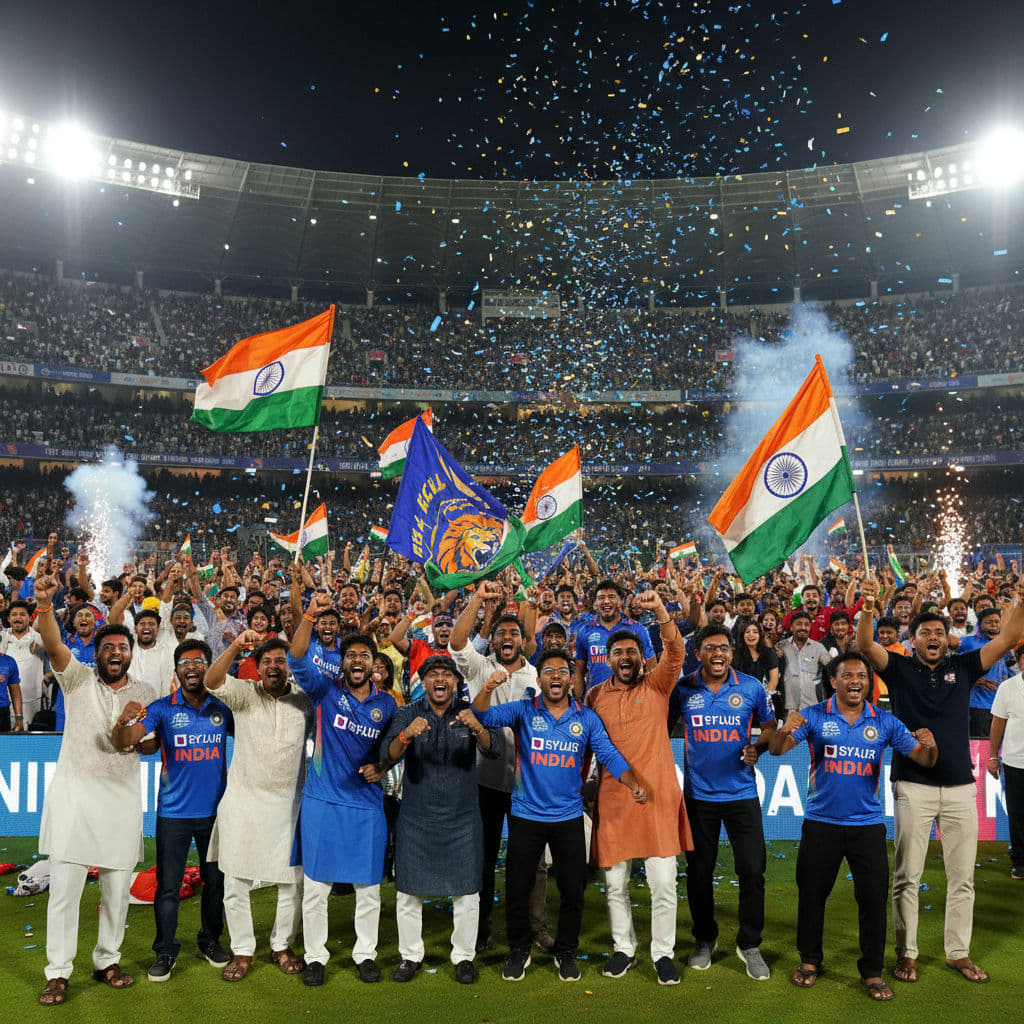
Types of Indian Cricket Fans: 10 Classic Personalities
Box Cricket Rules: How to Play, Scoring & Team Size