How to Dominate the Badminton Forecourt: Net Play Guide
Sport I Play Team
Published
Quick Verdict
Jump to breakdown ↓You cannot unleash a winning rear-court smash if your opponent never has to lift the shuttle defensively. Dominating the badminton forecourt comes down to intercepting the shuttle above tape height, using relaxed bevel and thumb grips for late deception, and taking one half-step closer to the T-junction after every tight net shot.
Jump to Section (6)Expand
- 1. Why the Forecourt Controls Every Modern Badminton Rally
- 2. The 5 Essential Forecourt Shots: Contact Point & Tactical Comparison
- 3. Contact Height: Why Taking the Shuttle 30 cm Higher Changes Everything
- 4. Relaxed Finger Power and Grip Switching at the Net
- 5. Three Court Drills for Razor-Sharp Net Interceptions
- Frequently Asked Questions
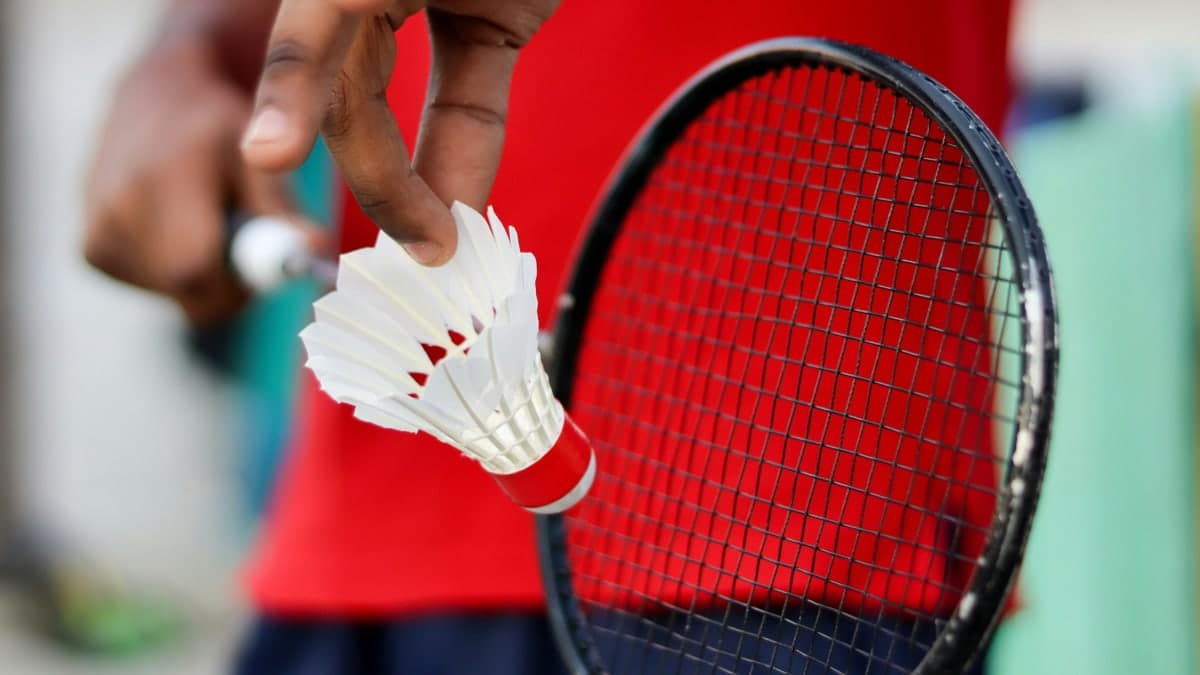
Ask most recreational and club badminton players what they want to improve, and nine out of ten will say "a harder jump smash." Yet if you watch world-class singles and doubles closely, the smash is only the finishing blow — the point was actually won two shots earlier in the forecourt.
Look no further than the tactical transformation behind PV Sindhu surging back into the BWF World Top 5 and Lakshya Sen storming into the Hong Kong Open semi-finals to seal their 2026 BWF World Tour Finals berths. By stepping 40 centimetres higher toward the T-junction to intercept replies above net-tape height — mixing tight spinning tumbles with flat mid-court pushes — both Indian stars have forced opponents into panicked, half-court lifts all autumn.
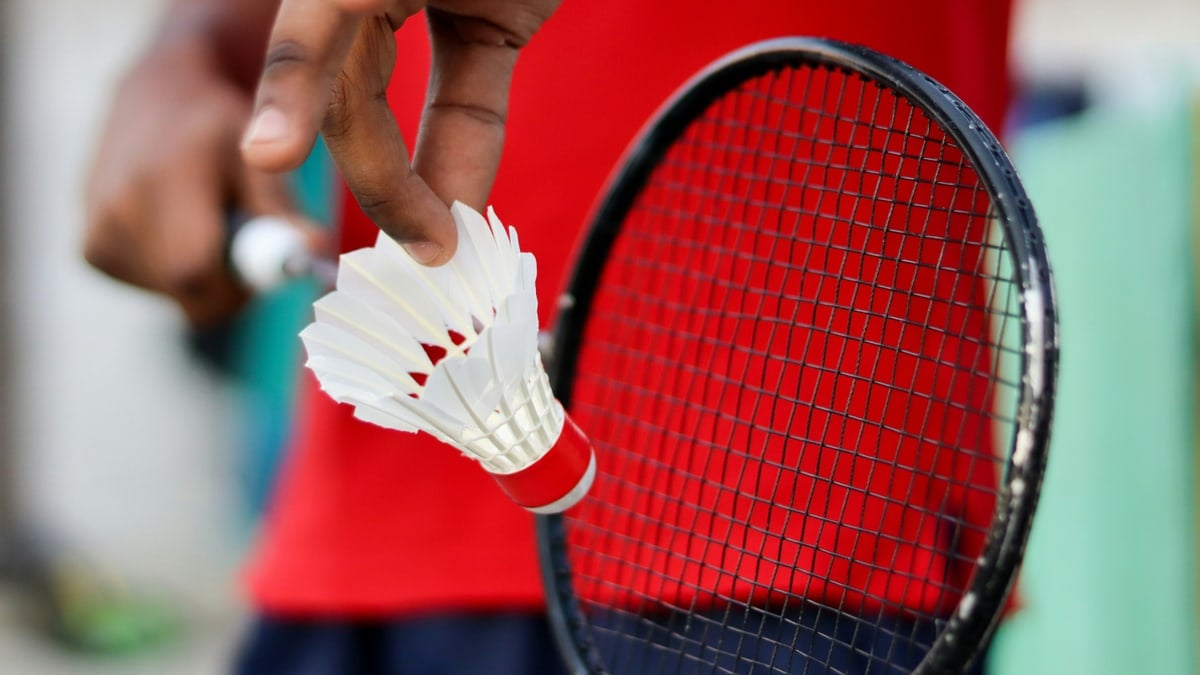
Whether you compete in high-tempo singles or play front-court creator in men's, women's, or mixed doubles, here is the complete technical guide to dominating the badminton forecourt and winning the net battle.
1. Why the Forecourt Controls Every Modern Badminton Rally
Why do BWF World Tour coaches obsess over the first two metres behind the net? Because whoever controls the net controls the trajectory of the shuttle:
- You cannot be smashed if the opponent has to hit upwards: When your net shot crests just 2 centimetres over the white tape and tumbles vertically inside the short service line, your opponent is physically forced to contact the shuttle below knees height. Their only legal trajectory is upwards — handing your side the attack.
- Early net interception cuts the opponent's recovery time in half: If you wait for a drop shot to fall to knee height before lifting it, your opponent has 1.4 seconds to casually jog back to base. If you lunge forward with your racket up and intercept that same shuttle 5 centimetres below the tape, you return it in 0.65 seconds while your opponent is still off-balance in the rear court.
- Forecourt deception breaks defensive rhythm: Holding your racket face identically at the net before flicking a late cross-court net shot or flat push into the body freezes fast retrievers on their heels.
2. The 5 Essential Forecourt Shots: Contact Point & Tactical Comparison
Choosing the right forecourt weapon depends entirely on how high above (or below) the net tape you reach the shuttle:
| Forecourt Shot | Shuttle Contact Height | Optimal Grip & Wrist Action | Tactical Goal & When to Play It |
|---|---|---|---|
| 1. The Net Kill (Brush/Tap) | Above the net tape (10–35 cm within the net) | Pronated forehand or thumb backhand; short 15 cm finger snap (no backswing) | Instant point winner when an opponent's net shot pops up high |
| 2. The Flat Net Push | Tape level to 10 cm below | Loose V-grip or bevel grip; crisp forearm push into mid-court alleys | Pushes the shuttle past the front player into the tramlines or hip pocket |
| 3. The Spinning Net Shot (Tumble) | 5–25 cm below the tape | Slicing inward or outward across the cork base at a 45° angle | Causes the shuttle to tumble erratically down the net cord, preventing a clean re-drop |
| 4. The Cross-Court Net Shot | 10–30 cm below the tape | Hold straight net posture, then guide with thumb/index fingers at last instant | Punishes an opponent who is cheating toward the straight net corner |
| 5. The Late Defensive Lift | Below 30 cm / Near floor level | Pause racket head at impact, then use compact finger-and-wrist flick to back boundary | Buys recovery time when you arrive late; holding the pause freezes the opponent |
3. Contact Height: Why Taking the Shuttle 30 cm Higher Changes Everything
Watch how club players approach the net versus how Lakshya Sen or PV Sindhu lunge into the forecourt. Most intermediate players run toward the net with their racket hanging down by their hip, raising it only after their front foot lands. By the time the racket comes up, the shuttle has dropped 35 centimetres below the tape.
To fix your contact height immediately:
- Lead with the racket head, not your chest: The moment you read a drop shot or net reply, extend your racket arm out in front of your shoulder at chest-to-eye level while you take your split step and chassé stride.
- Land heel-to-toe on a stable lunge: Your racket-side leg (right leg for right-handers) should absorb the lunge with your knee aligned directly over your toes, torso upright, and non-racket arm extended backward as a counterweight.
- Meet the shuttle at the apex of its arc: Even if you cannot reach the shuttle above the tape for a kill, catching it just 5 centimetres below the cord shrinks the angle your opponent has to defend and lets you push flat past their shoulders.
4. Relaxed Finger Power and Grip Switching at the Net
If you grip your badminton racket like a hammer at the net, every tight net shot will bounce 40 centimetres too high and get killed. Great net players hold the handle at a 2 out of 10 grip tension during their forward lunge:
- The Pinch Grip (Thumb + Index Finger): Slide your hand slightly up toward the cone of the racket handle. Rest the flat pad of your thumb against one wide bevel and pinch lightly with your index finger. This gives you fingertip sensitivity to cushion a fast drop shot and drop it dead over the cord.
- Zero-Backswing Finger Squeeze on Net Kills: The number-one reason club players hit net kills into the tape or out the back boundary is taking a big arm swing close to the net. Instead, place the strings behind the shuttle and squeeze your bottom three fingers into your palm — generating a whip-like 15-centimetre tap that sends the shuttle straight into the floor.
- The 1-Step T-Junction Bias: In singles, whenever you play a high-quality spinning net shot, do not retreat all the way back to the centre of the court. Stay half a step closer to the net with your racket held at face height, daring the opponent to play a weak net reply that you can pounce on.
5. Three Court Drills for Razor-Sharp Net Interceptions
Add these three 10-minute routines to your next court session to transform your forecourt touch:
- The Half-Court Net-Only Game (First to 15): Play a competitive half-court game using only the area between the net and the short service line (plus 1 metre behind it). No high lifts allowed — every shot must be a straight hair-pin net shot, spinning tumble, or cross-court net glide.
- The Multi-Shuttle Above-the-Tape Feed: Have a partner stand at the net with 20 shuttles and toss them randomly across the forehand and backhand tape line. Start from the T-junction, split-step, lunge in with your racket already up, and alternate between a brushed net kill, a spinning net tumble, and a flat mid-court push.
- The "Drop-and-Follow" Combination: Hit a fast drop shot or half-smash from the rear court and immediately follow your shot toward the T-junction in three explosive steps to intercept your partner's block at the net.
Ready to test your spinning net shots and forecourt interceptions on court this weekend? Book a badminton court or join an upcoming session near you on Sport I Play Games and connect with local shuttlers in Badminton Communities.
Frequently Asked Questions
How do you stop hitting badminton net kills into the net tape?
Most net-kill errors happen because players take a big backswing and swing downward with their whole arm, causing the shuttle to hit the white tape. Keep your racket head high in front of you, eliminate the backswing, and use a short pronation snap with your fingers to "brush" across the top of the shuttle parallel to the net cord.
What is a tumbling (spinning) net shot in badminton?
A tumbling net shot is played by slicing the racket strings softly across the cork base of the shuttle (either from outside-in or inside-out) as you lift it over the net. The slice imparts heavy rotation on the cork, causing the shuttle to flip end-over-end as it crosses the tape so the feathers point downward first — making it almost impossible for the opponent to return cleanly until the cork turns over.
Where should the front player stand in badminton doubles when their partner smashes?
When your partner jumps to smash or drop from the rear court, the front player should position themselves roughly half a metre behind the T-junction, slightly biased toward the straight-line return side (about 60/40 toward the side the shuttle was hit from), with knees bent and the racket head held at eye level to cut off any flat drive or weak net block.
Share This Guide
Play badminton near you
Join a local badminton community, find players at your level, and get on the court this week.
Sport I Play Team
The Sport I Play editorial team — passionate sports enthusiasts covering technique tips, fitness guides, and sports stories.
Keep Reading in Badminton
All Badminton
Badminton Powerplay: 4 Proven Keys to Dominate Your Game
Badminton Principles: 5 Rules to Dominate the Court [2026]
How to Beat Smash-Heavy Badminton Players: Complete Guide

Pickleball vs Padel vs Badminton: Complete India Guide
Best Non-Marking Badminton Shoes Under ₹2,000 [2026]
Best Badminton Rackets for Kids by Age [2026 Guide]